
 English
 русский
 Español
 عربى
عربى

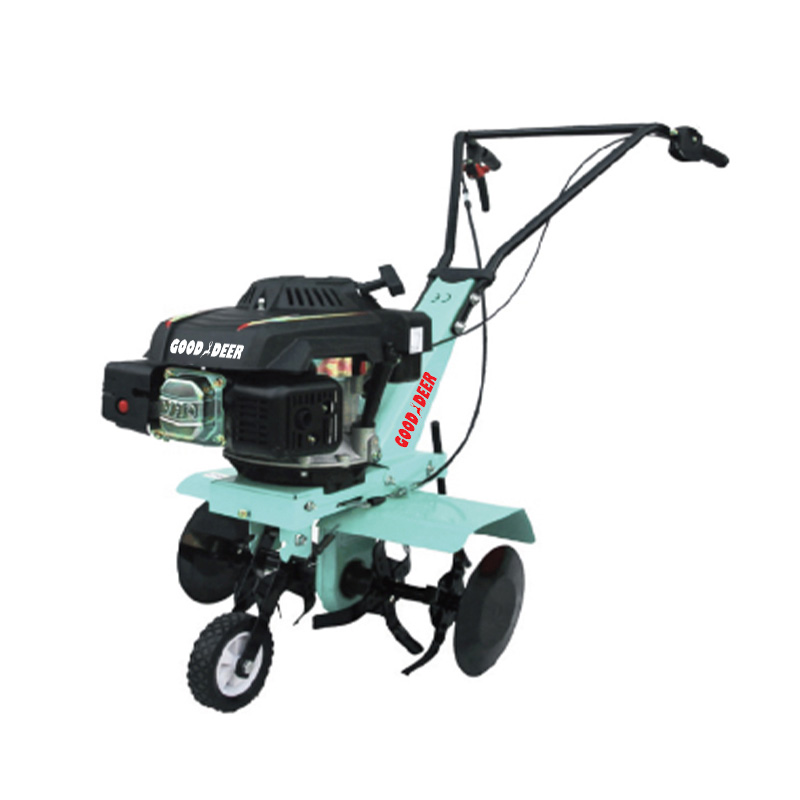
A محراث دوار صغير هي الأداة الأكثر عملية لتفتيت التربة وتهويتها وخلطها في أحواض الحدائق والأراضي المرتفعة ومساحات الفناء المدمجة حيث تكون المحراث بالحجم الكامل ثقيلة جدًا أو واسعة أو مدمرة. بالنسبة للحدائق التي تقل مساحتها عن 5000 قدم مربع، فإن الحارث الدوار الصغير - سواء كان كهربائيًا أو يعمل بالبطارية أو يعمل بالغاز - يوفر كل ما تحتاجه: أعماق الحراثة من 6 إلى 10 بوصات ، وعرض العمل من 6 إلى 18 بوصة، وقوة كافية للتعامل مع التربة الطميية أو الرملية أو المضغوطة قليلاً دون الحاجة إلى ملحق جرار أو معدات تجارية.
يمنحك هذا الدليل تفصيلاً مباشرًا لأفضل الحراثة الدوارة الصغيرة المتاحة، وكيفية اختيار النوع المناسب للتربة والمساحة الخاصة بك، وما هي المواصفات المهمة فعليًا عند مقارنة النماذج.
ما الذي تفعله المحراث الدوار الصغير فعليًا - ومتى تحتاج إليه
يستخدم المحراث الدوار أسنانًا دوارة (شفرات) مدعومة بمحرك لتقليب التربة وكسرها وتفكيكها. الحراثة الدوارة الصغيرة عبارة عن إصدارات مدمجة مصممة للبستنة السكنية وإعداد الأسرة المرتفعة وزراعة الصفوف الضيقة. عادة ما يزنون بين 15 و 35 رطلا ويتم تشغيلها بواسطة شخص واحد يمشي خلف الوحدة أو يوجهها بكلتا يديه.
تحتاج إلى حراثة دوارة صغيرة عندما:
- بدء تشغيل سرير حديقة جديد في تربة غير مشغولة سابقًا
- خلط السماد أو الأسمدة أو تعديلات التربة بالتساوي في الأسرة الموجودة
- تحضير الصفوف لزراعة الخضروات في فصلي الربيع والخريف
- تهوية التربة المضغوطة بين مواسم النمو
- العمل في مساحات ضيقة — بين خطوط السياج، أو الأسرة المرتفعة، أو صفوف الحديقة الضيقة التي يقل عرضها عن 12 بوصة
إذا كانت مساحة حديقتك أكبر من 5000 قدم مربع أو كانت تربتك طينية مضغوطة بشدة، فسوف تواجه محراثًا دوارًا صغيرًا. في تلك الحالات، يكون المحراث الخلفي متوسط الحجم أو ملحق الجرار مناسبًا بشكل أفضل.
أنواع الفلاحين الدوارة الصغيرة: مقارنة بالكهرباء والبطارية والغاز
مصدر الطاقة هو القرار الأكثر أهمية عند اختيار محراث دوار صغير. يحتوي كل نوع على ملف تعريف أداء مميز وسيناريو الاستخدام الأفضل.
| اكتب | نطاق الطاقة | الوزن النموذجي | أفضل ل | القيد |
|---|---|---|---|---|
| سلكي كهربائي | 6-12 أمبير | 15-24 رطلا | أسرة صغيرة قريبة من المخرج | نطاق حدود الحبل؛ لا فائدة بعيدا عن منفذ |
| البطارية (لاسلكية) | 20 فولت-80 فولت | 20-30 رطلا | المرونة والتشغيل الهادئ | وقت تشغيل محدود (20-45 دقيقة لكل شحنة) |
| تعمل بالغاز | 25-100 سم مكعب | 25-40 رطلا | تربة أكثر صرامة ومساحات أكبر | أكثر ضوضاءً، وتتطلب الوقود والصيانة |
بالنسبة لمعظم البستانيين المنزليين الذين يقل حجمهم عن 500 قدم مربع والتربة المعالجة بالفعل، أ سلك كهربائي أو محراث بطارية 40 فولت هو الخيار الأكثر عملية ومنخفض الصيانة. تعتبر الحراثة الصغيرة التي تعمل بالغاز أفضل عندما لا تعمل التربة منذ سنوات أو تحتوي على أنظمة جذرية كثيفة.
المواصفات الرئيسية التي تحدد أداء الحارث الدوار الصغير
غالبًا ما تكون الأوصاف التسويقية للمزارعين الصغار غامضة. هذه هي الأرقام المحددة التي تتنبأ فعليًا بالأداء في العالم الحقيقي.
عرض الحراثة
تتراوح الحراثة الدوارة الصغيرة من بعرض 6 إلى 18 بوصة . يتم وضع محراث مقاس 6 بوصات بين صفوف الحديقة وفي الأسرّة المرتفعة دون إزعاج حواف النبات. يعد الطراز مقاس 16-18 بوصة أكثر كفاءة لإعداد السرير المفتوح ولكنه لن يتناسب مع المساحات الضيقة. قم بمطابقة عرض الحراثة مع أضيق ممر عمل لديك.
عمق الحراثة
تصل معظم الحراثة الدوارة الصغيرة بعمق 6 إلى 10 بوصات . لحدائق الخضروات السنوية، 6 بوصات كافية. بالنسبة للخضروات الجذرية مثل الجزر أو الجزر الأبيض، استهدف نموذجًا يصل طوله إلى 8 بوصات على الأقل. تجنب الحراثة التي يبلغ طولها 4 بوصات فقط، فهي مزارعات سطحية وليست حراثة تربة حقيقية.
تكوين السن: السن الأمامي مقابل الدوران المضاد
تعمل الحراثة الأمامية على سحب الماكينة للأمام أثناء الحراثة - وهي أسهل في المناورة ولكنها أقل فعالية في التربة الصلبة. تحفر الأشواك ذات الدوران المعاكس في التربة بقوة أكبر، مما يجعلها أفضل لإعداد السرير لأول مرة. تكلف نماذج السنون ذات الدوران المعاكس 20-40٪ أكثر ولكنها تتفوق بشكل ملحوظ على الأسنان الدوارة للأمام في الأرض غير المنقطعة.
مادة الطين
تعتبر الأسنان الفولاذية قياسية. ابحث عن أسنان فولاذية معالجة بالحرارة أو مقواة - تقاوم الانحناء عند اصطدامها بالصخور أو الجذور. غالبًا ما يستخدم الفلاحون ذوو الميزانية المحدودة أسنانًا ذات قياس أرق تنحني بشكل دائم بعد اصطدامها بحجر كبير واحد.
الوزن والقدرة على المناورة
تحفر الحراثة الأثقل بشكل أكثر اتساقًا لأن الجاذبية تساعد الأسنان على الاختراق، لكن من الصعب رفعها إلى أسِرَّة مرتفعة أو صعود السلالم. بالنسبة للعمل على السرير المرتفع، احتفظ بالمحراث تحته 25 رطلا . بالنسبة للحدائق الأرضية، يكون 30-40 رطلاً مقبولاً.
آلة الحراثة الدوارة الصغيرة مقابل آلة التعشيب اليدوية مقابل آلة الحراثة كاملة الحجم
يساعدك فهم مكان وجود المحراث الدوار الصغير في مجموعة الأدوات على تجنب شراء الشيء الخطأ.
| أداة | حجم الحديقة | نوع التربة | أفضل مهمة | متوسط التكلفة |
|---|---|---|---|---|
| آلة زراعة يدوية (يدوية) | أقل من 50 قدم مربع | فضفاضة، سابقة العمل | إزالة الأعشاب الضارة، خلط السطح الخفيف | 10 دولار - 30 دولارًا |
| الحارث الدوارة الصغيرة | 50-5000 قدم مربع | طينية إلى مضغوطة بخفة | تجهيز السرير، تعديل الخلط، التهوية | 60 دولارًا - 250 دولارًا |
| الحارث الأمامي بالحجم الكامل | 2000-10000 قدم مربع | ضغط متوسط | أسرة جديدة، قطع أراضي كبيرة | 300-600 دولار |
| الحارث الخلفي | 5000 قدم مربع | الطين الثقيل، الصلب | فتح آفاق جديدة | 600 دولار - 2000 دولار |
كيفية استخدام الحارث الدوار الصغير بشكل صحيح للحصول على أفضل النتائج
يؤدي استخدام محراث دوار صغير بشكل غير صحيح إلى ضعف بنية التربة، وفقدان العمق، وتآكل المعدات مبكرًا. اتبع هذه العملية للحصول على حراثة نظيفة وفعالة في كل مرة.
- قم بمسح المنطقة أولاً. قم بإزالة الصخور والعصي والحطام الكبير. يمكن أن يؤدي ذلك إلى ثني السنون أو تشويش الآلية، خاصة في الموديلات الكهربائية السلكية.
- التحقق من رطوبة التربة. يجب أن تكون التربة رطبة ولكن ليست مشبعة بالمياه. التربة الجافة والمتشققة تقاوم الحراثة وتضغط على المحرك؛ تتكتل التربة المشبعة ولا تتفكك بشكل صحيح. استهدف التربة التي تحافظ على شكلها عند الضغط عليها ولكنها تتفتت عند إطلاقها.
- ضبط عمق الحراثة قبل البدء. تحتوي معظم المحاريث الصغيرة على حصة عمق قابلة للتعديل أو شريط سحب. اضبطه على العمق المستهدف (6-8 بوصات لمعظم حدائق الخضروات) قبل تعشيق الأسنان.
- قم بعمل تمريرات متداخلة. حتى تكون في صفوف متوازية، مع تداخل كل تمريرة بمقدار 2-3 بوصات لتجنب ترك شرائح غير محروثة. بالنسبة للتربة الكثيفة، قم بعمل تمريرة عمودية ثانية بعد الأولى.
- إضافة التعديلات بعد المرور الأول. انثر السماد أو الأسمدة فوق التربة المفككة ثم قم بتمريرة حراثة ثانية لدمجها بالتساوي. وهذا ينتج نتائج أفضل بكثير من حراثة التعديلات في التربة الصلبة.
- دع الحارث يقوم بالعمل. لا تجبر الحارث إلى الأمام. سوف تقوم الآلة التي تم ضبطها بشكل صحيح بالدفع الذاتي أو التحرك بوتيرة تمليها مشاركة السن. يؤدي الدفع بقوة أكبر إلى تقليل عمق الحراثة والضغط على المحرك.
الأخطاء الشائعة التي يجب تجنبها مع الفلاحين الدوارة الصغيرة
هذه الأخطاء هي المسؤولة عن معظم حالات فشل الحراثة الدوارة الصغيرة ونتائج الحراثة السيئة:
- حراثة نفس المكان مراراً وتكراراً دون غرض. يؤدي الإفراط في الحراثة إلى تدمير بنية التربة، وقتل الكائنات الحية المفيدة، وإنشاء طبقة صلبة أسفل المنطقة المحروثة. الحد من الحراثة لمرة واحدة أو مرتين في الموسم الواحد.
- استخدام محراث صغير على التربة الطينية دون تعديل. تتطلب التربة الطينية محراثًا يعمل بالغاز مع أسنان دوارة عكسية، بالإضافة إلى الجبس أو السماد العضوي المضاف قبل المرور الثاني. المحراث الكهربائي الصغير على الطين الخام سوف يسخن أو يتوقف.
- إهمال صيانة السن. افحص السنون بعد كل 5-10 استخدامات للتأكد من عدم انحناءها أو بلادتها. تقلل السنون المنحنية من فعالية الحراثة ويمكن أن تهتز الآلة بشكل غير متساوٍ، مما يؤدي إلى التعامل مع التعب.
- تخزين محراث غاز مع الوقود في الخزان. يتحلل البنزين المخلوط بالإيثانول خلال 30 يومًا ويتسبب في تآكل المكربن. قم دائمًا بتصريف الوقود قبل التخزين أو استخدم مثبت الوقود إذا تم تخزينه لأكثر من أسبوعين.
- الشراء بالسعر وحده. سوف تفشل آلة الحراثة ذات الميزانية البالغة 40 دولارًا والمزودة بغطاء بلاستيكي رفيع وأسنان عامة خلال موسم من الاستخدام الحقيقي. أنفق ما لا يقل عن 80 إلى 100 دولار لشراء آلة تدوم من 3 إلى 5 سنوات مع الرعاية الأساسية.
نصائح الصيانة للحفاظ على تشغيل المحراث الدوار الصغير الخاص بك لسنوات
يتطلب الحارث الدوار الصغير صيانة بسيطة ولكن متسقة. إن اتباع هذه الخطوات بعد كل استخدام يضيف سنوات إلى العمر التشغيلي للآلة.
- قم بتنظيف السنون بعد كل استخدام. قم بإزالة التربة المعبأة والمواد الجذرية من بين الأسنان باستخدام فرشاة أو عصا صلبة. التربة الرطبة المتروكة على السنون الفولاذية تعمل على تسريع عملية الصدأ.
- افحص السلك (النماذج السلكية) بعد كل جلسة. ابحث عن النكات أو مكامن الخلل أو الأسلاك المكشوفة. لا تستخدم أبدًا سلكًا تالفًا - فهو يشكل خطر التعرض لصدمة كهربائية.
- اشحن البطاريات بنسبة 50-80% للتخزين في غير موسمها. يؤدي تخزين بطاريات الليثيوم مشحونة بالكامل أو مستنفدة بالكامل إلى تقليل عمر الدورة. سوف تستمر معظم آلات الحراثة التي تعمل بالبطارية 500-1000 دورة شحن مع التخزين المناسب.
- قم بتغيير الزيت سنويًا على محراث الغاز ذو 4 دورات. استخدم اللزوجة المحددة في الدليل - عادة SAE 30 للتشغيل في الطقس الدافئ.
- ضع طبقة خفيفة من الزيت على الأجزاء الفولاذية المكشوفة قبل تخزينها للموسم. وهذا يمنع الصدأ السطحي على السنون والإطار أثناء التخزين في فصل الشتاء.